Non-surgical therapy comes first
The first line is removing biofilm inside the pocket, with air, water and calibrated powders. Surgery, where needed, comes after and not instead.
 M4 Medical Clinic
Periodontitis · Dentistry
Periodontitis is an inflammation of the tissues supporting the tooth. In the mirror you see little: with the periodontal probe it is measured precisely, point by point.
Periodontal probing and 3D CT on site.
What it is
Bone, ligament, gum.
A tooth stands because of the bone and the gum around it. When biofilm stays under the gum margin those tissues get inflamed and recede: pockets form, and the tooth loses support. The tooth itself can be perfect.
The probing
The depth of the sulcus, measured point by point.
Periodontal probing is the least spectacular part of the visit and the most important. A graduated probe goes down into the sulcus between tooth and gum and reads how deep it is. It gets written down, and looked at again at the next check.
3mm
It is the reading you get where the sulcus is shallow and a brush still reaches the bottom. Here the work is maintenance.
5mm
Under the margin there is a space you cannot clean at home. This is the field of non-surgical periodontal therapy, which removes biofilm inside the pocket.
8mm
The deeper the pocket, the longer the path and the closer together the checks. Three-dimensional imaging belongs here, to read how much bone is left.
The numbers are the scale of the probe, not a diagnosis. The same reading means different things on different teeth and different people, which is why a doctor reads it and not a chart.
The therapy
The first line of treatment, with checks over time.
The first line is removing biofilm inside the pocket, with air, water and calibrated powders. Surgery, where needed, comes after and not instead.
The same measurements taken again at the check say whether the path is working. That is exactly why they are written down.
Periodontitis is kept under control over time, with recalls. People expecting a single session are usually the ones who start over.
The diagnostics
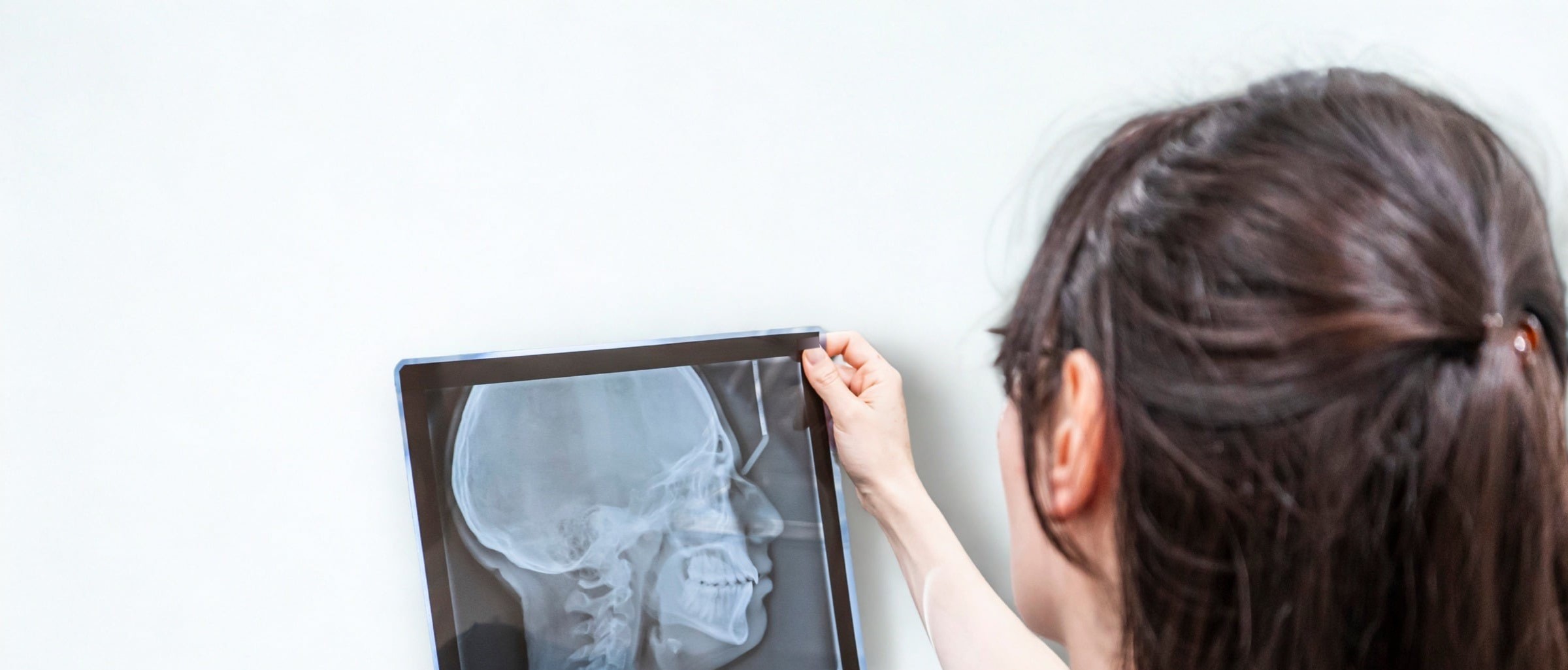
Where needed, the cone beam CT reads the bone in 3D.
Frequent questions
The rest is answered at the visit.
Bleeding is the most common signal and the most ignored. On its own it does not say how far along things are, the probing does. But it is the right reason to book a visit.
It is the step that causes least discomfort in the whole periodontal visit. On very inflamed gums you feel it more, and in that case we tell you before we start.
No. What does not come back is the bone already lost, which is why measuring early matters more than waiting.
An X-ray is taken when the question is about the bone and probing alone cannot answer it. If it does not change the decision, it is not taken.
Periodontitis is kept under control, not filed away. After therapy the checks remain, at intervals decided on your case.
I came to this clinic for a dental problem I had been carrying around for a long time, and the experience was really positive. Dr. Marotta was very precise and, above all, gentle, which for me was fundamental since I have always been a bit afraid. The practice is modern and clean, and the whole staff puts you at ease right away.
Book
Take care of yourself, with us.
The probing is carried out, the readings are recorded and the path is set together. Book on WhatsApp or by phone.
In the same department